12 may 2026
How Advanced Marine Simulation Training Improves Crew Safety at Sea
Modern ships face some of the world's harshest conditions. Whether the ship is in rough
seas, low visibility, crowded ports, or an emergency, marine personnel make quick,
accurate decisions daily. Advanced marine simulation training provides seafarers with an
opportunity to prepare for these challenging situations before operating in them.
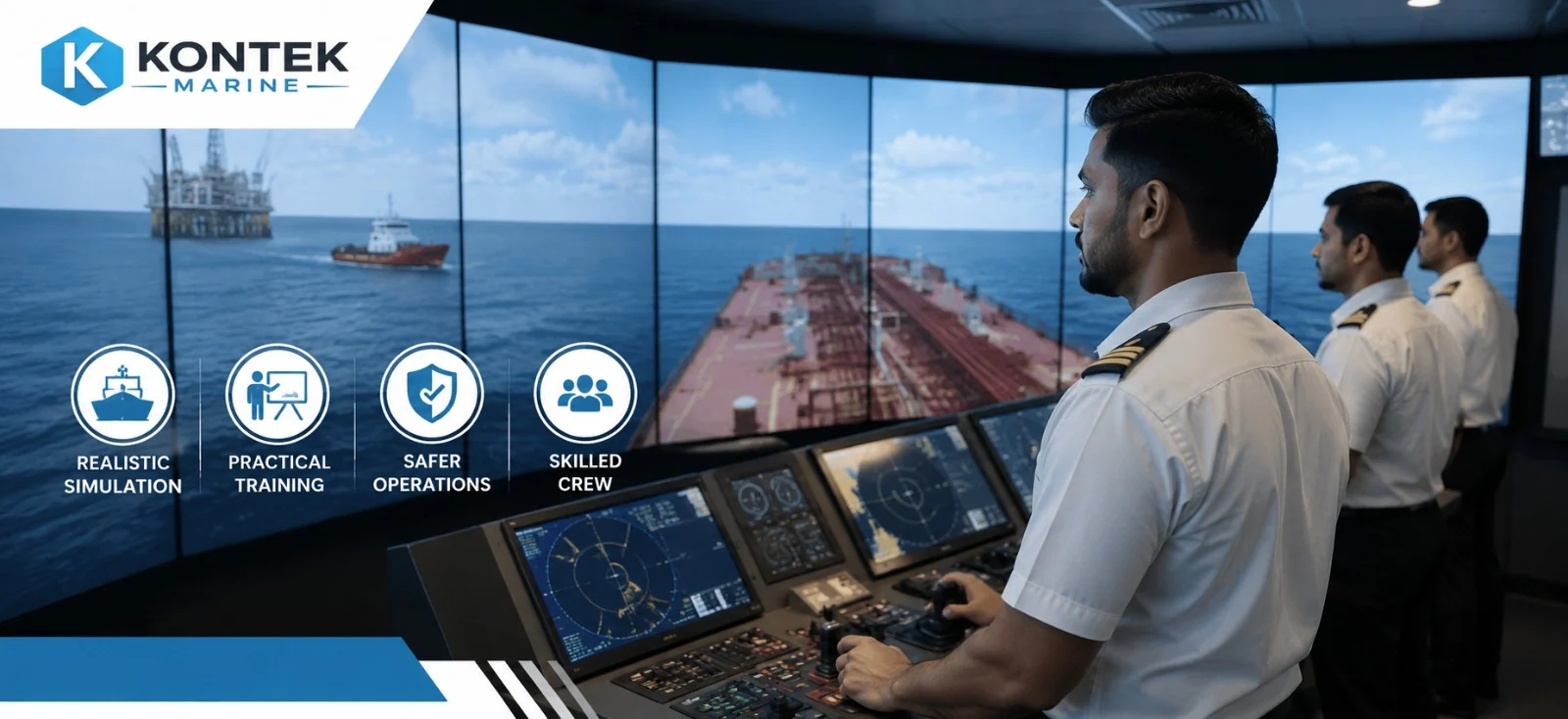
Marine simulation systems provide a realistic environment for simulating a ship, allowing
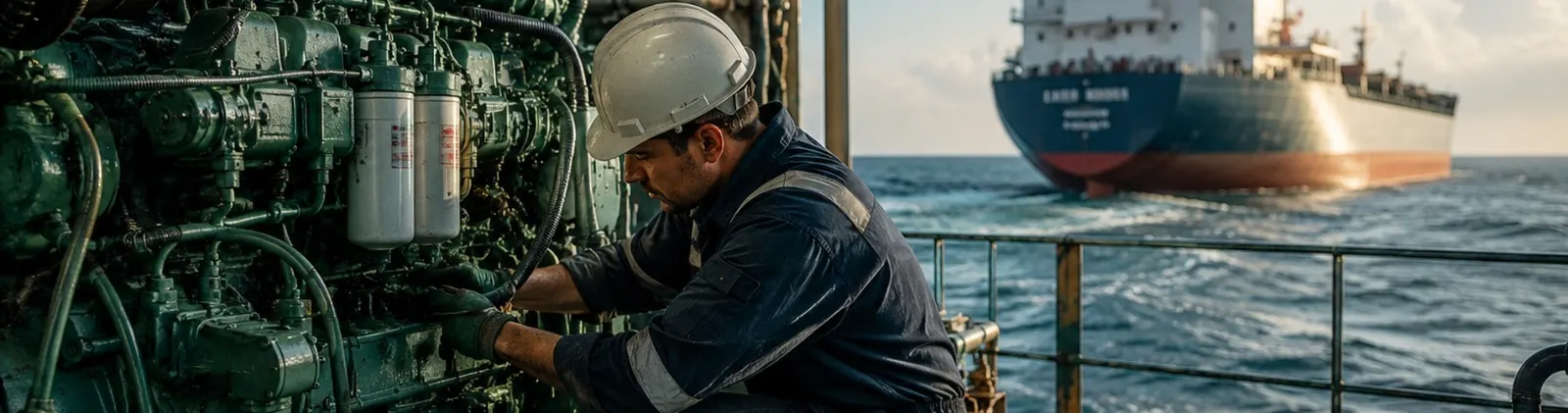
crews to practise different aspects of their duties, such as navigation, engine
handling, emergency response, equipment operations, and marine maintenance
services,
without the risk of a real accident marine equipment service company. These training
solutions will enhance decision-making, operational risk, and safety onboard.
Modern maritime simulators can recreate:
- Heavy storms
- Engine failures
- Poor visibility
- Navigation emergencies
- Port traffic congestion
- Communication failures
- Marine equipment breakdowns
Hyper-realistic training environments build confidence and enhance operational
performance, without the risk of vessels or crew.
Why Marine Simulation Training Is Important
Every year, shipping is getting more sophisticated. Contemporary ships are equipped with
automated systems marine equipment service company, digital navigation
instruments, and
intricate marine machinery. As a result, the crews require more hands-on training before
working on the vessel.
Simulation-based marine training helps:
- Improve safety awareness
- Reduce human error
- Build emergency response skills
- Increase operational efficiency
- Prepare crews for real-world conditions
Maritime training experts say realistic simulations aid seafarers in practicing complex
scenarios in a safe and controlled environment without risk of harm.
Common Challenges Faced by Marine Crews
Marine personnel typically operate in an environment of uncertainty and stress. The most
frequent problems are:
Low Visibility Conditions
The fog, heavy rain, storms, and darkness can lower visibility at sea. Crews need to use
navigation systems and situational awareness to keep themselves safe.
High-Traffic Navigation Areas
Fast decision-making and correct vessel control are essential in busy ports and shipping
routes.
Engine and Equipment Failures
Ship operations and safety may be impacted by unexpected marine equipment service company
issues.
Emergency Situations
Trained crew members are required to take immediate action in the event of a fire,
machinery failure, or other alarm.
Through simulation training, crews can simulate these scenarios without the real-life
consequences.
Benefits of Advanced Marine Simulation Training
Improves Decision-Making Under Pressure
Trainees are put in simulated scenarios that require fast and accurate responses.
Enhances Crew Confidence
Practices help crews become more at ease when confronting emergencies and challenging sea
states.
Reduces Operational Risks
Training in virtual environments avoids accidents when operating in real.
Supports Marine Automation Training
Today's ships are equipped with cutting-edge automation systems. Crews learn about
digital ship controls and automated navigation systems through simulation training.
Saves Training Time and Cost
Using simulators, complex scenarios can be practiced without the use of real ships, fuel
and with no operational downtime.
Helps Crews Learn Faster
Gives crewmember training opportunities to improve performance more quickly. Learning and
skills are enhanced through interactive visual environments.
How Modern Marine Simulators Work
Modern marine simulators use:
- Realistic ship bridge systems
- Advanced graphics
- Dynamic weather conditions
- Real-time vessel movement
- Engine room simulations
- Audio and environmental effects
Such technologies offer simulated sea conditions for safe training of ship operations.
Modern simulation platforms can also support:
- Bridge operation training
- Engine room management
- Navigation practice
- Cargo handling
- Emergency response exercises
- Training for future fuel handling
To enhance learning experiences, advanced maritime training systems employ immersive
technologies, such as VR and cloud simulation.
Marine Automation and Simulation Technology
Automation systems marine industry are increasingly found in today's
shipping and are
referred to as marine automation systems. Contemporary ships rely on digital monitoring
systems, intelligent navigation applications, and automated control systems. Today's
ships use digital monitoring systems, intelligent navigation applications, and automated
control systems.
Simulation technology helps crews understand:
- Marine automation systems
- Digital navigation tools
- Vessel monitoring systems
- Smart marine equipment
- Automated engine controls
Training with realistic simulators improves crew readiness for modern vessel operations.
How Simulation Training Supports Marine Safety
Safety is one of the primary concerns of the maritime industry. Simulation training
enhances safety by helping crews to:
- Practise emergency drills
- Learn equipment handling
- Improve communication
- Develop situational awareness
- Get ready for unusual operating conditions
One of the biggest causes of maritime accidents is human error, which is lessened through
realistic training environments.
Simulation learning also enables trainers to track the performance of the crew and
enhance the quality of training.
The Future of Marine Simulation Training
The future of maritime training will be:
- AI-powered simulations
- VR-based ship training
- Remote learning systems
- Smart navigation simulations
- Autonomous vessel training
- Cloud-based maritime education
With advancing ship technology, realistic simulation training will play an even greater
role in the development of ship crews and in safety operations.
Why Choose Professional Marine Training and Support Services
Professional marine service providers assist shipping companies in keeping safe and
efficient operations by delivering:
- Marine automation support
- Navigation system services
- Marine electrical maintenance
- Ship equipment troubleshooting
- Technical support and inspections
- Crew operational assistance
Experienced marine engineers and technical experts help ensure vessel systems operate
safely and efficiently in demanding sea conditions.
Conclusion
With advanced marine simulation training, contemporary seafarers can train effectively in
preparation for the difficult and often complicated conditions they will experience
while operating vessels at sea. The abundance of realistic training machines enhances
operational safety, builds crew confidence, and aids in making better decisions in
emergencies.
Simulation-based training is one of the most effective methods for crew preparation for
modern-day vessel operations and will continue its importance in improving safety for
the maritime industry beyond the continued advances of maritime technologies
contact us
marine.