
Maintenance planning
Gas turbine outage spares planning: build a reliable list
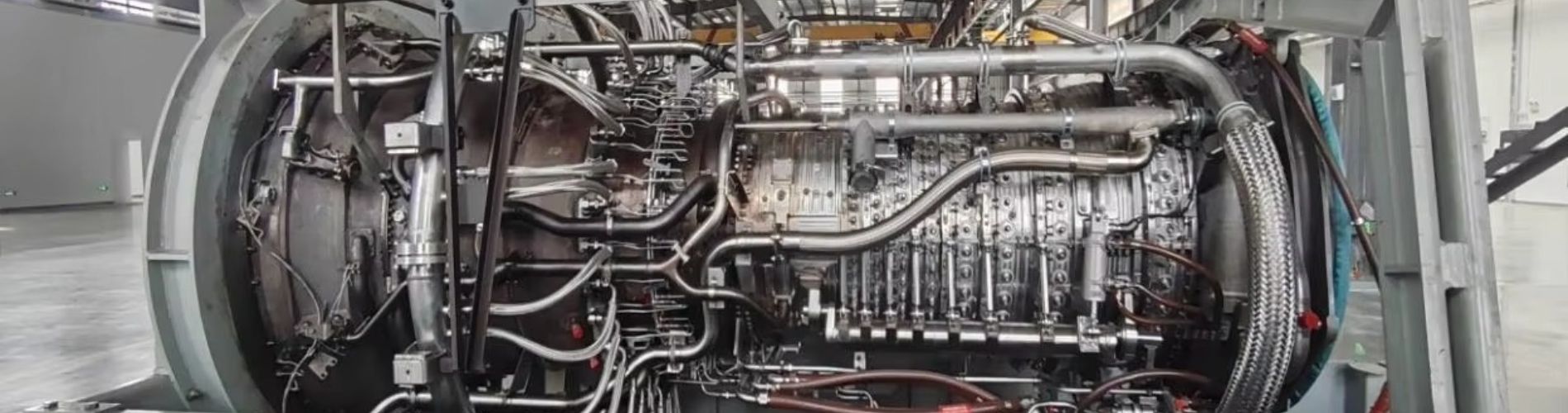
A practical guide to planning gas turbine outage spares using inspection scope, asset history, failure consequence, lead time, repair options and documentation requirements.
Use the checklist as a planning aid, not as a substitute for the OEM manual, site procedures, engineering review or applicable regulations.
An outage spares list is useful only when it reflects the work likely to be performed, the equipment actually installed and the time available to obtain parts. Copying the prior outage list without checking what changed can create both shortages and excess inventory. A more defensible plan connects each candidate spare to an inspection finding, operating history, failure consequence, repair route and delivery risk.
This guide is intended for maintenance planners, reliability teams, stores personnel and procurement professionals coordinating a gas turbine inspection or overhaul. It describes a planning method, not a universal list of mandatory components. The correct scope depends on the turbine model, package configuration, inspection interval, operating regime, prior findings, OEM instructions and the plant?s own risk criteria.
1. Start with the outage scope and configuration
Establish what event is planned: combustion inspection, hot gas path inspection, major inspection, borescope, control-system work or a combined outage. Confirm the exact frame, unit serial number, package variant, installed upgrades, control configuration and any site modifications. The same family designation does not guarantee an identical bill of material. Use controlled equipment records and the latest approved drawings, not only an older purchase order or a generic parts list.
Build the work scope with maintenance and engineering before assigning part quantities. Separate items known to be replaced by the planned work from items that may be needed only if inspection reveals damage. Capture the target outage dates, access constraints, expected inspection sequence, critical path activities and dates by which technical decisions must be made. This timeline determines whether a repairable component can be inspected during the outage or whether a replacement must be staged in advance.
2. Combine inspection history with failure risk
Review prior outage reports, non-conformance records, operating logs, vibration or temperature trends where applicable, repair histories, installed-part records and the status of open engineering actions. Look for recurring findings, parts that were consumed faster than expected, and items removed but never returned to service. Keep evidence separate from assumptions: label each proposed spare as scheduled, condition-dependent, contingency or routine consumable, and note the source supporting that classification.
Rank risk using at least consequence and time-to-recover. A low-cost item can be critical if its absence blocks restart, while a costly component may have a controlled repair route or a suitable pool arrangement. Consider safety and environmental consequences through the organization?s formal risk process. Do not invent a generic ?criticality score? and treat it as an engineering decision; define scoring criteria, document who approves them and update the ranking after new inspection or failure evidence.
3. Organize the list by work package and component family
Group material into work packages so that each outage task has an owner and a clear readiness gate. Families may include hot gas path components, combustor hardware, seals and gaskets, bearings and lubrication components, fuel and control valves, instrumentation, filters, electrical parts and package auxiliaries. Exact boundaries vary by machine and maintenance organization. Include the assembly position or system reference for each item so a buyer can distinguish visually similar components used in different locations.
For every line capture part number, controlled description, drawing or manual reference, revision, required quantity, unit of measure, installed quantity, on-hand quantity, reserved quantity, known repairable quantity and planned replacement date. Record condition separately from item identity. If a part number is not verified, mark it as a data-quality action rather than quietly substituting an approximate number. A clean, consistent list makes duplicate detection and warehouse reservation far easier.
4. Set quantities using scenarios, not habit
For scheduled replacements, begin with the work scope and the OEM or approved engineering basis. Add only the quantity needed for the defined contingency, and record why that contingency exists. For condition-dependent parts, estimate plausible outcomes from inspection history and consider whether a repair can be completed within the available window. For standard consumables, use actual consumption and replenishment performance instead of a rule copied from another unit.
Model more than one scenario. A base case can reflect the expected inspection result; a downside case can reflect a known recurring issue, failed test or delayed repair; a constrained-supply case can represent a supplier or logistics interruption. The purpose is not to forecast failure with false precision. It is to expose which parts create an unacceptable schedule risk, what evidence would trigger release of a contingency order, and who has authority to act when the outage findings differ from the plan.
5. Map repair paths, lead times and decision deadlines
For each repairable item identify the inspection facility, transport time, quoted evaluation period, likely repair duration, required approvals, core or exchange arrangements and return route. Confirm whether the estimate is an indicative range or a committed schedule, and which event starts the clock. A repair path can be attractive commercially but still miss the outage window if technical evaluation begins only after removal. Where practical and contractually appropriate, reserve capacity or arrange an advance evaluation plan before the outage.
Track supplier milestones: technical clarification, stock confirmation, document review, release inspection, packing, dispatch, customs, delivery and receiving acceptance. Assign an owner and a latest-decision date to any conditional buy. Set escalation rules for delays and define acceptable alternatives in advance, but never authorize an unverified substitute solely to protect a date. Coordinate the procurement timeline with the work pack so engineering has time to assess deviations before the component is needed.
6. Check stock, reservations and obsolescence
Reconcile the maintenance list with the enterprise resource planning system and physical stores. Confirm the correct part number, revision, location, quantity, shelf life, preservation status, ownership and reservation. A system balance is not proof that a usable item is on the shelf. For controlled or shelf-life-limited material, verify the status and required storage conditions. Review interchangeability and supersession history with engineering; do not merge similar-looking numbers into one inventory line without an approved basis.
Identify obsolete, long-lead and sole-source items early. Search approved repair channels, exchange pools, manufacturer notices and internal fleet holdings where available. Establish whether a proposed alternate is acceptable for this exact unit and duty. Record any commercial or technical restriction, including serial-number applicability, software or control compatibility, material specification and permitted repair status. The planner should see unresolved obsolescence as a visible risk with an owner, not as a note buried in an old spreadsheet.
7. Build governance into the plan
Assign owners for technical validation, procurement, quality documentation, stores reservation, logistics and outage execution. Define a readiness review date and review the list whenever the inspection scope, operating plan, supplier status or OEM guidance changes. Use one controlled list with revision history rather than parallel email attachments. Record assumptions, approvals, open questions and the evidence behind each high-risk decision so the next shift can understand why the plan changed.
Useful measures include the share of lines with verified part numbers, parts physically staged by the agreed gate, supplier milestones met, unplanned expedite cost, material-related schedule delays, unused contingency returns and repair turnaround. Use these measures to improve the next cycle, not to penalize teams for reporting uncertainty. After the outage, reconcile installed, returned, repaired and unused items; update the asset record and capture new inspection information for future planning.
Outage spares readiness checklist
- Scope, equipment configuration and inspection dates confirmed.
- Every line is linked to a work package, risk rationale and responsible owner.
- Part number, drawing, revision, quantity and condition are validated.
- Stock is physically checked and reservations, shelf life and preservation reviewed.
- Repair, exchange, procurement and logistics paths have dated milestones.
- Conditional orders have trigger criteria, approval authority and decision deadlines.
- Supplier documents and receiving checks align with quality requirements.
- Post-outage reconciliation is planned and assigned.
Common questions
How far ahead should outage spares be ordered?
Start from the required-on-site date and work backward through technical approval, supplier lead time, inspection or repair, export and transport, customs and receiving checks. Long-lead or configuration-sensitive items need earlier action, but the appropriate timing is specific to the part, source and outage plan.
Should every possible contingency part be purchased?
No. Use risk, history, lead time, repair availability, financial exposure and the consequences of a shortage to decide whether to buy, reserve, repair or monitor. Document the trigger for each contingency and have the responsible authority approve the decision.
How should the list change after an outage?
Reconcile parts installed, returned, repaired, rejected and unused. Add inspection findings and supplier performance, correct inventory records, update configuration data and revise future risk assumptions using the approved maintenance process.
Need help identifying a part?
Send the equipment model, part number, revision and required quantity through our contact page. You can also browse the spare parts catalogue.
Technical note: This article is general purchasing and maintenance-planning information. It does not authorize a repair, substitution, inspection interval or operating decision. The responsible asset owner and qualified personnel must confirm suitability against the correct OEM documentation and site requirements.